Office Catering in London — The Complete Guide
Every office catering option in London compared: types, pricing by area, how to choose a provider, and why platforms are replacing traditional caterers.
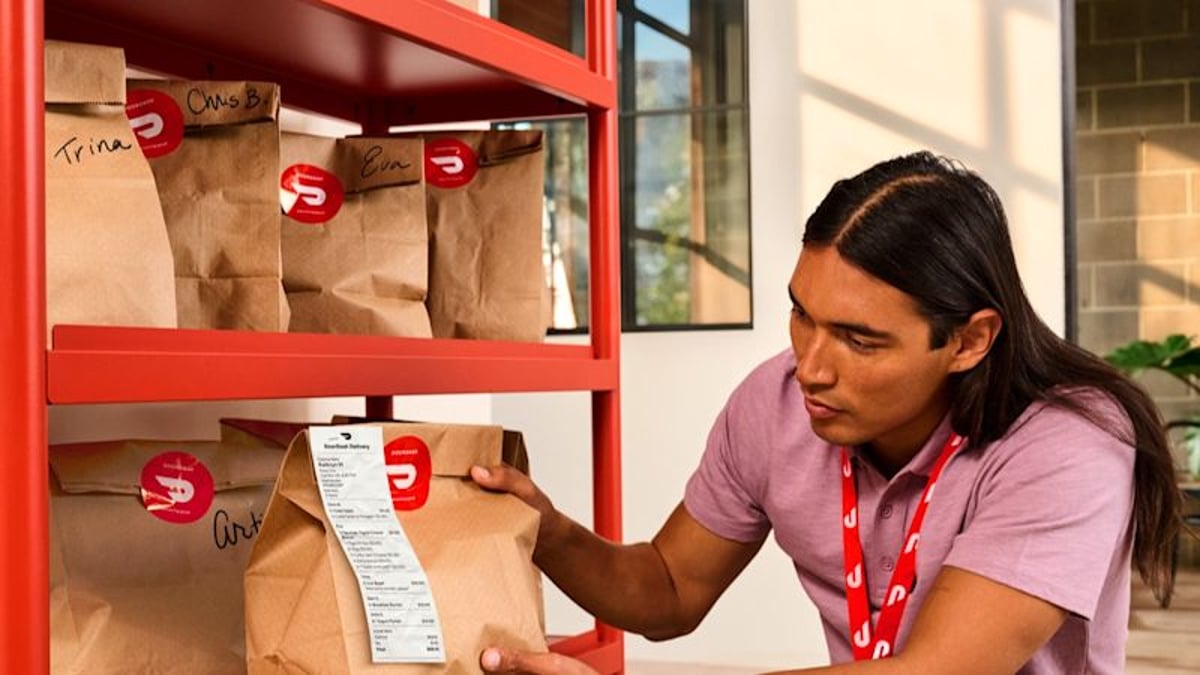
Office catering in London is a competitive market. Companies can choose between in-house canteens, external catering companies, restaurants, and online platforms — each with different costs, timelines, and trade-offs.
This guide walks through the types of catering, what is available in different London areas, realistic pricing, how to choose a provider, and why many firms are moving from traditional caterers to meal platforms.
The five types of office catering
In-building canteen. A subsidised restaurant in the office, run by a catering company. Setup runs £50,000–£200,000+ plus permanent staff. Google, Deloitte and the large banks do it; almost nobody else in London has the space or the long-term office commitment to justify it. The one big advantage: canteen meals available to all staff on equal terms are exempt from benefit tax.
Individual meal budgets. Each employee gets a daily budget (typically £8–£15) and orders from an app. Zero setup cost on most platforms, 5–15% commission on meals. This is the model tech, consulting and finance teams have converged on, because it survives contact with flexible working. Ordit's individual ordering and meal budgets pages cover the mechanics.
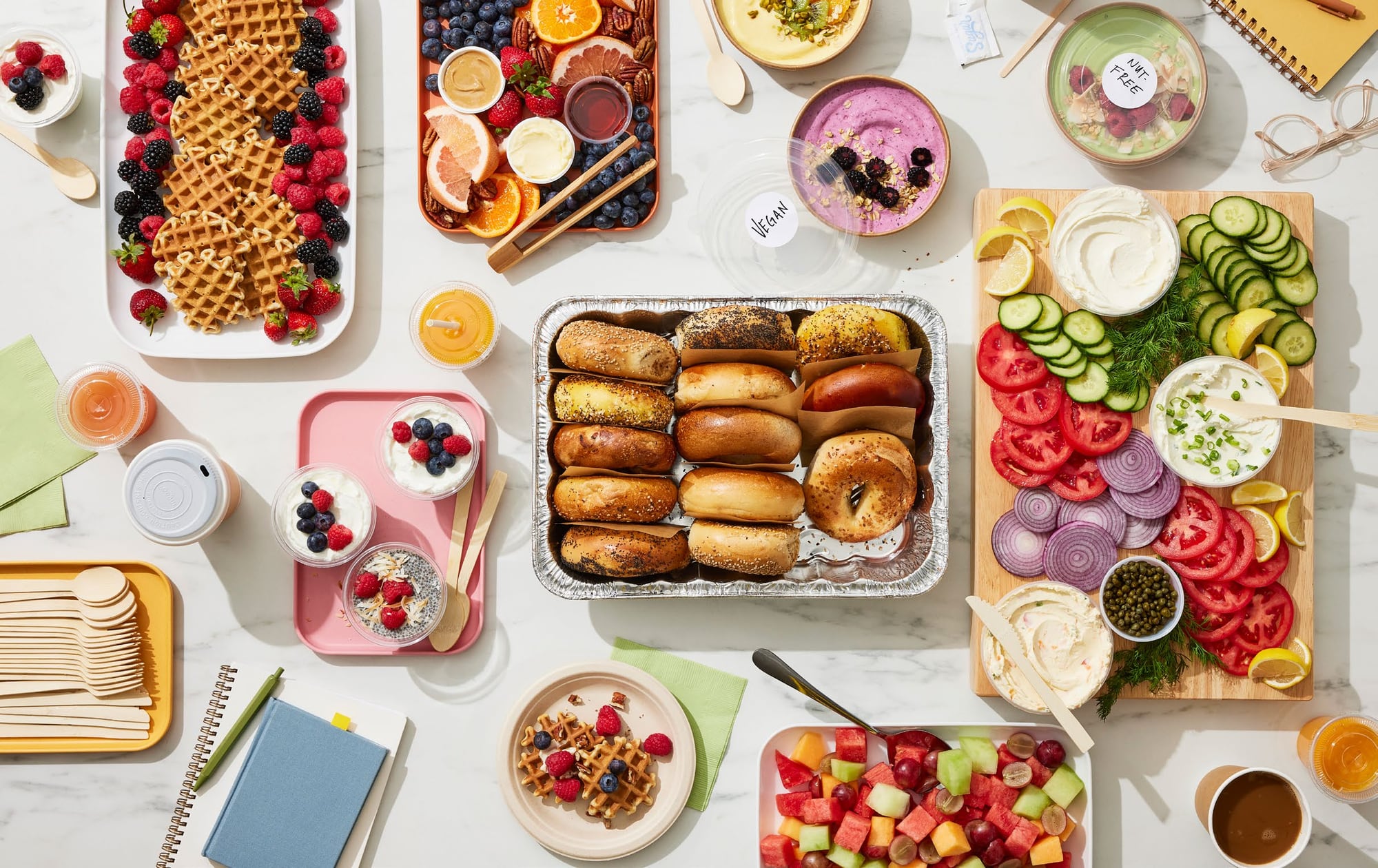
Scheduled group catering. An office manager orders for a team, meeting or boardroom; food arrives at a set time. £12–£20 per person, usually with a 10–20 person minimum. Every London firm uses some version of this for team events and client entertainment.
Snacks and beverages. Coffee, tea, fruit, biscuits — the baseline perk nearly every office runs, at £2,000–£5,000 a month depending on headcount.
Click & collect. Employees order in an app and pick the meal up from a nearby restaurant. Same cost as delivery minus the delivery fee — popular in dense areas like the City and Canary Wharf where stepping out is part of the lunch break.
The big shift of the past five years is from scheduled group catering to on-demand individual ordering. Staff eat at different times, have different diets, and — since hybrid work — are not all in the building on the same days.
What to expect by area
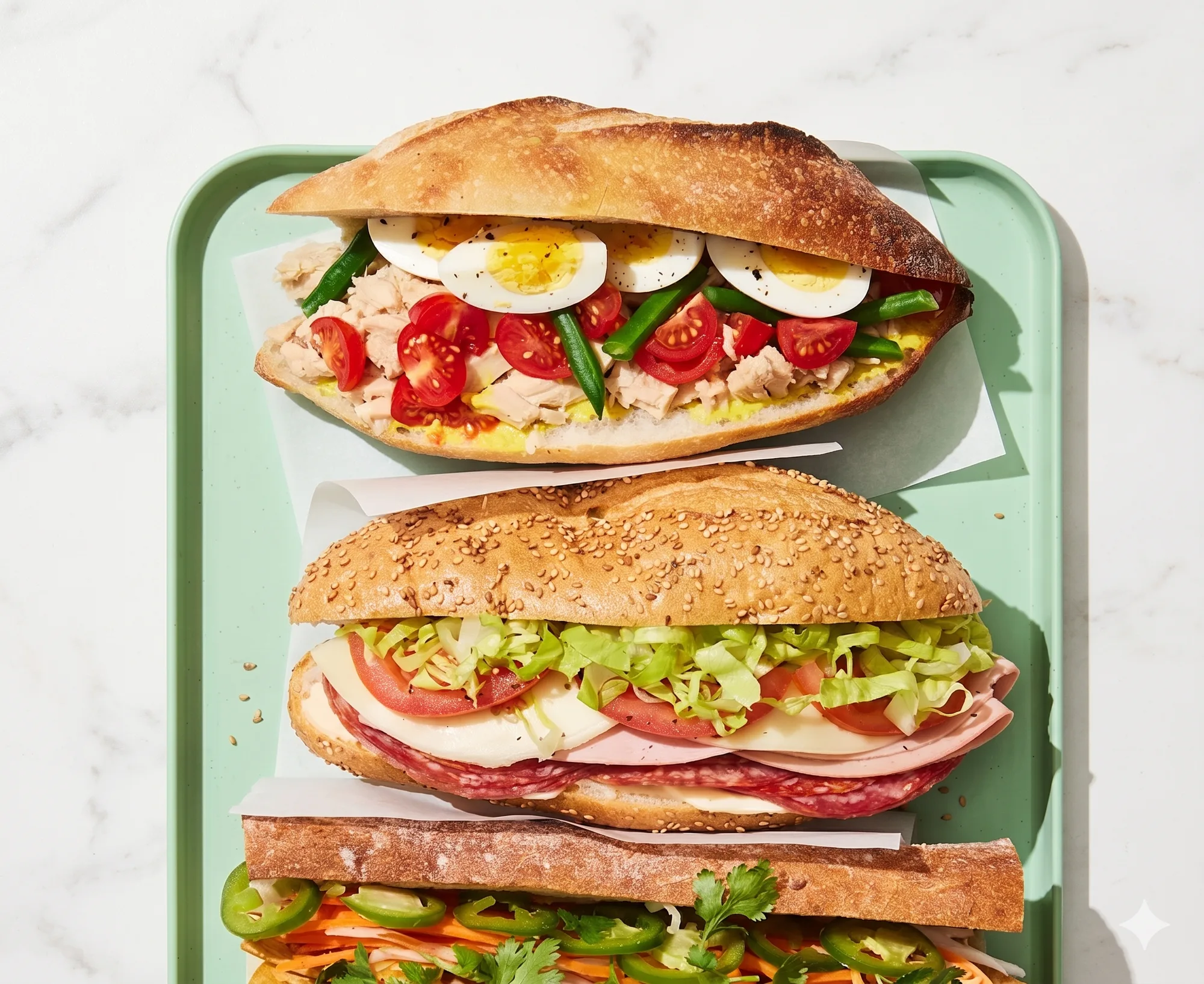
Central London (City, West End, Soho, Fitzrovia). The highest restaurant density in the UK — individual meals typically £10–£16, delivery in 15–30 minutes, premium names like Sticks'n'Sushi, Emilia's Crafted Pasta and Obicà alongside the chains.
Canary Wharf. 300+ options and growing; meals typically £9–£15. Finance teams blend individual budgets with batched trading-floor lunches. Ordit runs a dedicated fleet here — see office catering at Canary Wharf.
The City and Bank. Premium pricing (£11–£18) to match the restaurant quality; individual budgets for general staff, group catering for client meetings — covered in detail on office catering in the City of London.
Shoreditch and the tech hub. Mid-to-premium (£9–£15), heavy on indie and health-conscious spots — atis by Old Street, Black Bear Burger at Boxpark, Pie Shed and The Sushi Co. Startups favour zero-contract platforms; see office catering in Shoreditch.
The West End. Slightly above average (£11–£15), exceptional variety, and later delivery windows matter for media and creative hours — see office catering in the West End.
Mayfair and Knightsbridge. The most premium corner of the market: £13–£25+ individual meals and £25–£50 a head for client entertainment from the likes of Hawksmoor, Sushi Samba and Zuma — see office catering in Mayfair.
A coverage note: Ordit currently delivers across Zone 1–2 — Central London, the City, Canary Wharf, Shoreditch, Mayfair and the West End. Offices outside that footprint will find broader coverage with Deliveroo for Work or Just Eat for Business.
A realistic annual budget
For a 100-person office running individual budgets:
- 100 people × £11 average daily budget × 200 working days = £220,000
- Platform commission at 10% = £22,000
- Employers' Class 1A NI at 15% on the benefit = £33,000
- Total: roughly £275,000 a year, about £2,750 per employee
Add a weekly group lunch for 50 people at £15 a head and the combined programme lands around £314,000. Salary sacrifice does not remove the NI line for meals: the exemption was switched off for sacrificed meals in 2011 and the OpRA rules closed the rest in 2017. Budget for Class 1A.
How to choose a provider — seven questions
- What delivery speed does the team need? On-demand 30-minute delivery is a daily perk; next-day scheduling suits occasional catering only.
- Individual, group, or both? Both is becoming the standard. Ask each provider to demonstrate on-demand individual ordering and scheduled group catering in the same admin portal, on the same invoice. Ordit does both in one system; several London competitors do only one and describe it as both.
- Which restaurants matter? Chains, health-conscious, premium — check the actual partner list, not the headline count.
- Does it integrate with the finance stack? SAP Concur and Workday integration is the difference between zero expense admin and a monthly CSV chore.
- How fast must it launch? Platforms: days. Traditional caterers: weeks.
- What is the real pricing model? Commission, subscription, per-meal fee — and whether there is a contract lock-in hiding in the terms.
- Is the team hybrid? If yes, individual budgets and click & collect are essential; fixed-capacity group catering will not flex with attendance.
Before signing anything: test the app with a small group, confirm coverage of the actual office address, and ask to speak to a current customer in the area.
Platform versus traditional caterer
| Factor | Meal platform | Traditional catering |
|---|---|---|
| Setup time | 3–5 days | 2–4 weeks |
| Delivery speed | 30 minutes on demand | 24+ hours, scheduled |
| Cost per meal | £10–£16 + platform fee | £12–£20 all-in |
| Restaurant choice | 200–500 options | One kitchen |
| Expense integration | High (SSO, SFTP, Concur) | Manual |
| Customisation | Limited to partner menus | High — bespoke menus |
The honest verdict: platforms win for day-to-day flexibility; traditional caterers still win for 100-plus-person sit-down events and bespoke cultural menus. Most mid-market firms use both.
Where Ordit stands
Ordit's case rests on five things: its own dedicated rider fleet on e-bikes and cargo bikes (30-minute target on individual orders, 89% lower CO2 per km than the diesel van benchmark), on-demand and scheduled catering in one platform, 300+ named restaurant partners, direct SSO, SAP Concur and Workday integration, and no setup fees or contracts. The pricing page publishes the actual rates, which most London providers still do not.
For head-to-head comparisons, see how Ordit stacks up against Deliveroo for Work, Just Eat for Business and Feedr.
Ready to feed your team properly?
Join hundreds of London offices already using Ordit for individual meals, group orders, and catering.