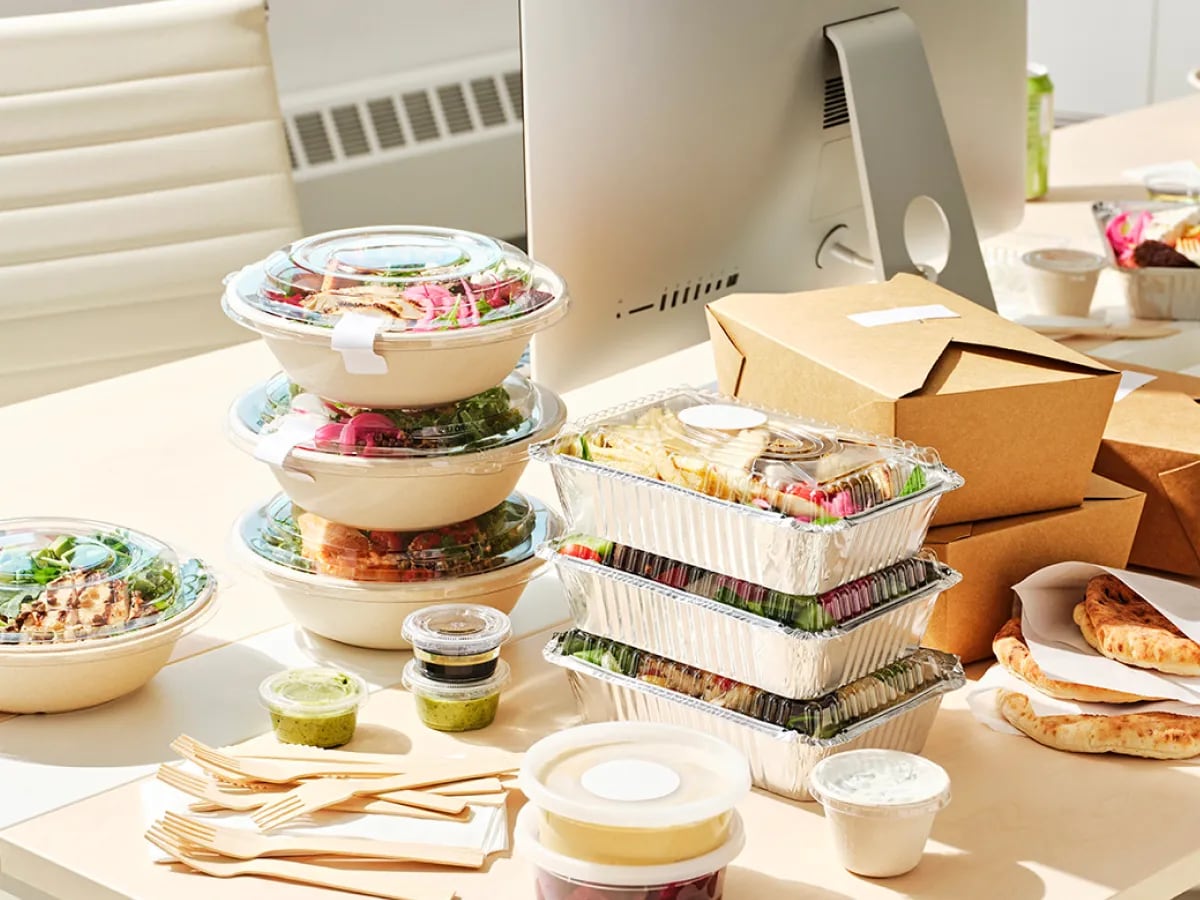
Ordit vs. Feedr — which is better for corporate catering?
Both platforms serve London businesses. Feedr is built on cloud kitchens and standardised menus; Ordit is built on 300+ named restaurants, on-demand delivery and zero contracts. Here is the honest comparison.
Quick comparison at a glance
How Ordit and Feedr compare on the features corporate teams ask about most.
| Feature | Ordit | Feedr |
|---|---|---|
| Restaurant partners | 300+ named restaurants | Cloud kitchens only |
| Staff can order from chains (Nando's, itsu) | Yes | — |
| On-demand delivery | 30 minutes | 30–50 minutes |
| Group catering on the same platform | Yes | Separate offering |
| SSO integration | Azure AD, Okta | Azure AD only |
| Expense system integration | SAP Concur, Workday, SFTP | SAP Concur only |
| Setup fees | £0 | £0 |
| Minimum contract | None — cancel anytime | 12 months |
| Per-meal cost | £10–£16 | £8–£12 (standardised) |
| Own electric delivery fleet | Yes | — |
Competitor details based on published terms — always confirm current terms with the provider.
The short version
Where Ordit wins
Four differences that decide it for most London teams.
Named restaurants
Teams eat at places they love — Nando's, Farmer J, itsu, Five Guys, atis. Feedr serves cloud-kitchen meals only, with no high-street names.
On-demand + scheduled
Individual ordering and group catering in one platform. Feedr's group catering is a separate, less integrated offering.
Deeper integrations
Azure AD and Okta for SSO; SAP Concur, Workday and daily SFTP feeds for expenses. Feedr stops at Azure AD and Concur.
No long-term contract
Cancel anytime. Feedr requires a 12-month minimum — a year locked in even if adoption is low.

Which one fits your team?
The honest decision guide — both platforms are good at what they were built for.
Choose Ordit
- Your team wants real restaurants, not cloud kitchens
- You need on-demand and group catering in one system
- Your firm runs Workday (Feedr has no integration)
- You want zero commitment — cancel anytime
- Delivery speed matters: 30 minutes, own fleet
- Diverse dietary tastes — 300+ restaurants to pick from
Choose Feedr
- You want maximum control over nutrition and menus
- Food-waste reduction is a top sustainability value
- Your team prefers standardisation over choice
- A 12-month contract is acceptable for a lower meal cost
Comparing other platforms too? Ordit vs. Deliveroo for Work
Ordit vs. Feedr FAQs